Dark Data Project



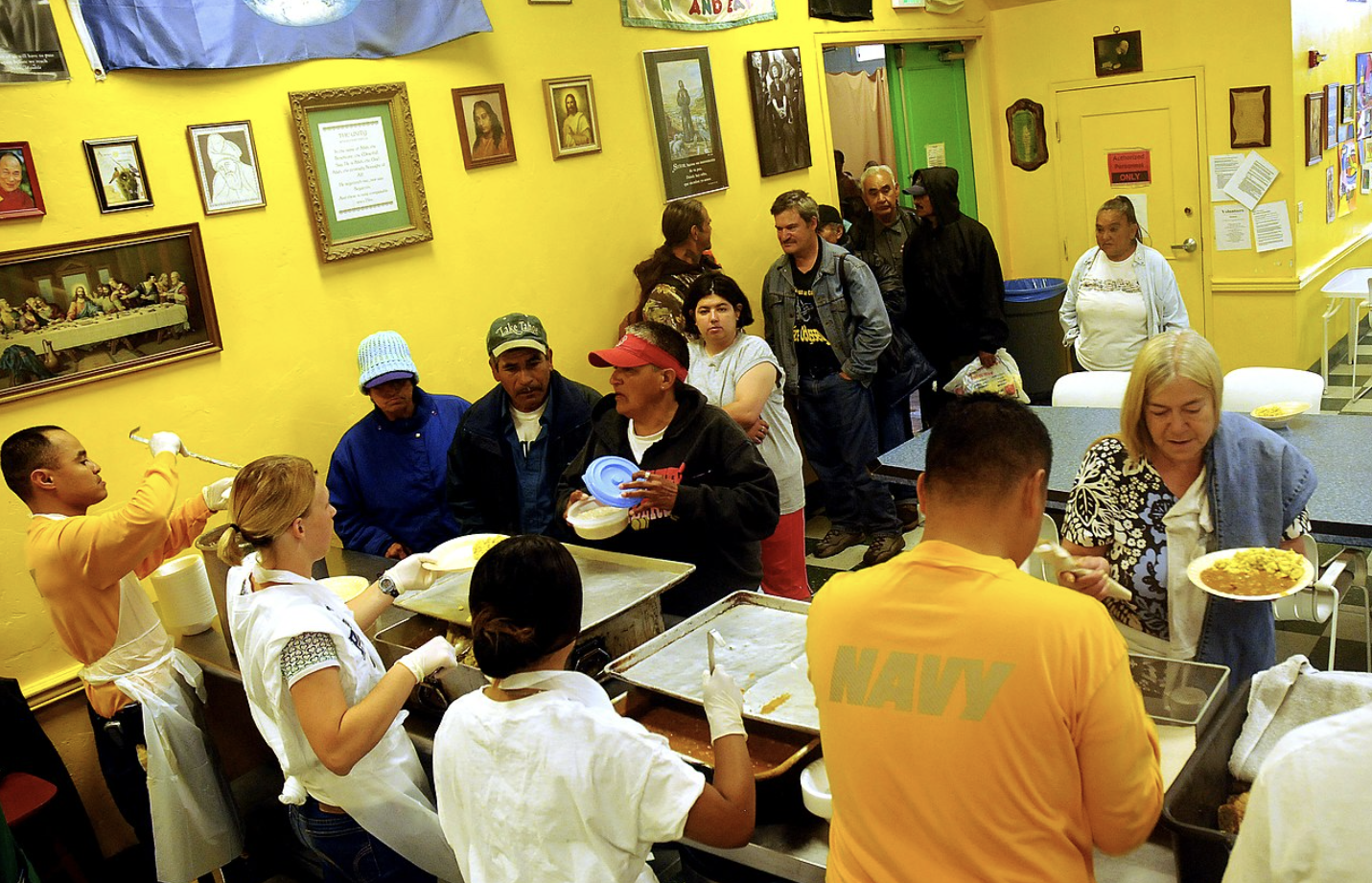
Remote communities and developing nations often lack the investment and infrastructure to compile critical data, which can have a consequent impact on public health, security, resource management and other areas of governance. Even in high fidelity regions, data can be scarce on disadvantaged and marginalized populations, impacting critical decision-making by government and advocacy groups.
In many cases, data is unstructured, an output of analog workflows. In other cases, data isn't available at all because of political implications, inadequate collection infrastructure, difficult terrain or disputed notions of identity.
Our work with neglected populations around the world, particularly in countries impacted by conflict, provides us with vital expertise in difficult data acquisition, inference and analysis.

The Everywhere Border @ Institute for Law, Innovation & Technology (iLIT)
Asylum seekers, economic refugees and other migrant populations often encounter the border infrastructure of the United States well before the physical border, as a result of transnational data sharing with neighboring countries. Security measures for immutable migrant data are loosely defined, and some of the recipients of this sensitive data are government entities in regions with close ties to criminal organizations, placing transiting individuals at significant risk of exploitation and physical harm.

Anthroencryption: Strategies for Protecting the World's Most Vulnerable People
Protecting and sharing data about people remains a challenging and underappreciated area of risk for government agencies and humanitarian organizations. A better understanding of the tiered reality of identity protection is therefore critical to establishing appropriate strategies suitable to the needs of vulnerable people.

Rural Homelessness and Housing Scarcity
Reliable data on homelessness in urban centres is an ongoing challenge for municipalities and community services organizations, and the problem is exponentially more challenging in rural and remote areas. This data deficit inhibits funding for mitigation efforts to address the problem, and has led the Rural Development Network (RDN) to develop new modelling methodologies and guidelines which help direct assistance to this unseen population.
Faster Data on Humanitarian Needs and Logistics
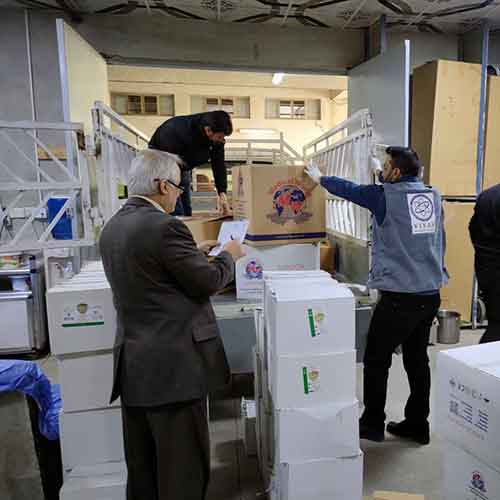
Many financial and in-kind donations never make it to the people who need it because the landscape of global humanitarian crises changes so rapidly. Needslist is trying to change this by syncing real-time needs against local manufacturing outputs in 20+ countries, and by automating the process of matching the most urgent needs with participating public and private sector donors.
Contact us to learn more about our work with marginalized populations.
